Bahan-bahan utama dalam pelet pakan ikan Diproduksi oleh mesin pembuatan pakan ikan yang tenggelam
2026/01/21

Bahan baku pati inti: dukungan utama untuk cetakan ekstrusi.dan kinerja gelatinisasi mereka secara langsung menentukan apakah ekstruder pakan ikan tenggelam dapat membentuk struktur berpori yang stabil yang cocok untuk kebutuhan pakan terapung ikan tingkat menengah hingga atasTepung jagung dan tepung gandum lebih disukai, karena bahan baku ini memiliki suhu gelatinisasi sedang (60-70 °C).Di bawah suhu tinggi 120-160°C dan tekanan tinggi 3-6MPa di ekstruder, tingkat gelatinisasi dapat mencapai lebih dari 80%, dengan cepat membentuk struktur jaringan untuk memastikan daya apung dan kompak dari pelet.yang dapat ditingkatkan menjadi 40%-50% untuk pakan terapung dan dikurangi menjadi 25%-35% untuk pakan tenggelamTepung gandum memiliki viskositas yang lebih kuat dan dapat digunakan dalam kombinasi (10-15%) untuk meringankan masalah penyumbatan die di ekstruder dan meningkatkan ketahanan air pelet.Bahan baku dengan kandungan pati tahan tinggi (seperti jagung matang) harus dihindari, karena mereka sulit untuk gelatinisasi, meningkatkan konsumsi energi mesin pembuatan pakan terapung, dan mudah menyebabkan ekstrusi tidak lengkap.
Bahan baku protein inti: Pembawa inti nutrisi.Bahan baku protein menyediakan asam amino penting untuk pertumbuhan ikan dan harus kompatibel dengan proses mesin ekstruder pakan terapung untuk menghindari menghambat gelatinisasi patiProtein hewani berkualitas tinggi sebaiknya tepung ikan (15%-25%), yang memiliki rasio asam amino yang seimbang dan kurang rentan terhadap denaturasi yang berlebihan di bawah kondisi suhu tinggi ekstruder,mempertahankan lebih dari 80% nilai gizi. protein tumbuhan terutama tepung kedelai (20%-30%), yang hemat biaya tetapi faktor anti-gizi harus dihilangkan sebelumnya,Jika tidak, itu akan mempengaruhi pencernaan ikan., dan penambahan yang berlebihan (lebih dari 35%) akan menghambat gelatinisasi pati, menghasilkan pelet ekstruder yang longgar.sejumlah kecil bubuk pupa cacing sutra dan tepung daging dan tulang (5%-10%) dapat ditambahkan untuk melengkapi protein dan meningkatkan rasa, tetapi kandungan kelembaban harus dikontrol hingga ≤ 10% untuk mencegah melekat pada sekrup ekstruder.
Techniques for Properly Matching Starch and Protein Ratios The ratio of starch and protein in the feed needs to be adjusted in conjunction with the parameters of the mini floating fish feed machine and the type of feed: Untuk pakan terapung, kandungan pati harus 40%-50% dan kandungan protein 30%-40%, cocok untuk kondisi suhu tinggi dan tekanan tinggi (130-160°C, 4-6MPa) ekstruder,Memastikan daya apung yang memadaiUntuk pakan tenggelam, kandungan pati harus 25%-35% dan kandungan protein 35%-45%, mengurangi suhu dan tekanan ekstruder (120-140°C, 3-4MPa) dan meminimalkan porositas.Jika rasio tidak seimbang, terlalu banyak pati akan menyebabkan nutrisi granul yang tidak cukup, sementara protein yang berlebihan akan memperburuk keausan pada ekstruder dan mempengaruhi efek pembentuk.Produksi uji coba batch kecil diperlukan untuk mengoptimalkan rasio, dan parameter mesin manufaktur makanan anjing harus disesuaikan secara bersamaan.
Tentang Kami
Kunjungan pelanggan
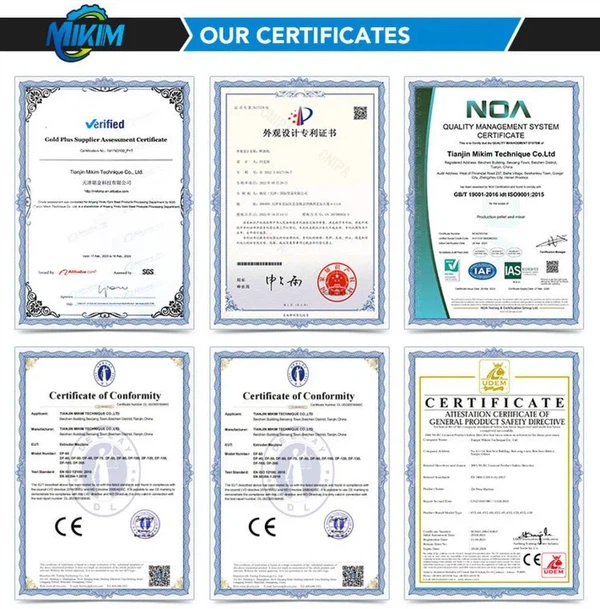
Sertifikat Kehormatan