Bagaimana Mesin Pembuat Pelet Pakan Ikan Terapung Membuat Pelet Pakan Ikan?
2026/01/21

Parameter suhu: Dapat disesuaikan dengan jenis pakan yang berbeda. Suhu sangat penting untuk gelatinisasi dan puffing pati, dan perlu disesuaikan sesuai dengan karakteristik pakan:Saat memproduksi pakan laut terapung, suhu harus dikontrol pada 130-160°C untuk memastikan gelatinasi complete pati, membentuk struktur berpori yang stabil dengan tingkat daya apung lebih dari 95%;Suhu harus diturunkan ke 120-140°C untuk mengurangi puffing dan mengendalikan kepadatan partikel pada 1.1-1.3 g/cm3, cocok untuk ikan yang tinggal di dasar; jika memproduksi pakan fungsional yang mengandung probiotik dan vitamin, mesin pembuat pelet makanan ikan kecil harus digunakan,dengan suhu dikontrol pada 80-100°C untuk memaksimalkan retensi nutrisi sensitif panas dan mencegah hilangnya karena suhu tinggi.
Kontrol terkoordinasi dari tekanan dan kecepatan rotasi. tekanan perlu dicocokkan dengan suhu, biasanya dipertahankan pada 3-6 MPa.Tekanan ditingkatkan menjadi 4-6 MPa untuk memastikan ekspansi uap air yang cukup dan porositas partikel yang seragamSaat memproduksi pakan tenggelam, tekanan dikurangi menjadi 3-4 MPa untuk mengurangi pembentukan pori. Kecepatan sekrup secara langsung mempengaruhi waktu tinggal bahan baku di ruang ekstrusi.Untuk mesin produksi makanan ikan, kecepatan harus dikontrol antara 250-400 rpm. Kecepatan yang lebih tinggi menghasilkan waktu tinggal yang lebih pendek, puffing yang lebih rendah, dan kekerasan pelet yang lebih tinggi;kecepatan yang lebih lambat menghasilkan waktu tinggal yang lebih lamaUntuk pakan ikan muda, kecepatan harus dikurangi (250-300 rpm) untuk membuat pelet lebih mudah dikunyah; untuk pakan ikan dewasa,kecepatan dapat ditingkatkan (350-400 rpm) untuk meningkatkan ketahanan air pelet.
Penyelesaian masalah parameter abnormal pada mesin ekstruder pelet pakan ikan terapung kecil: Jika beberapa pelet memiliki daya apung yang buruk dan tenggelam dengan cepat,ini sering disebabkan oleh suhu yang tidak cukup atau tekanan rendah. Tingkatkan suhu 5-10°C dan sesuaikan kecepatan sekrup untuk meningkatkan tekanan.suhu terlalu tinggi atau waktu tinggal terlalu lamaJika pelet mudah pecah dan memiliki ketahanan air yang buruk, kurangi mengepul dan atur tekanan dan suhu ke keadaan seimbang.Selama proses produksi, parameter harus dipantau secara real time, dan kualitas partikel harus dicontohkan dan diuji setiap 30 menit.
Tentang Kami
Kunjungan pelanggan
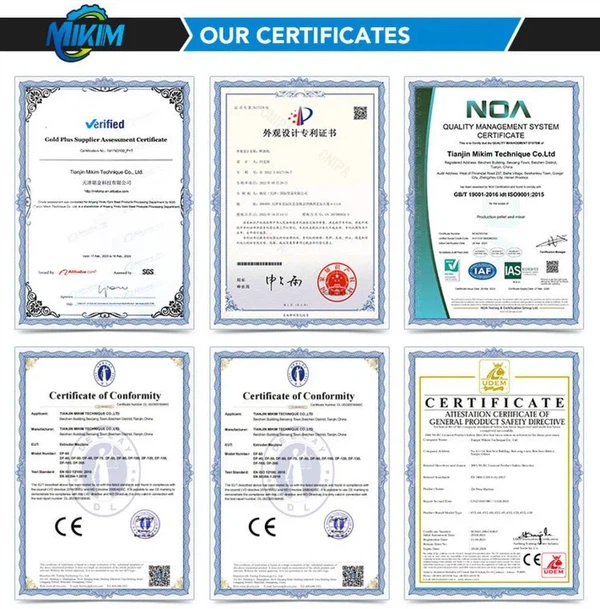
Sertifikat Kehormatan